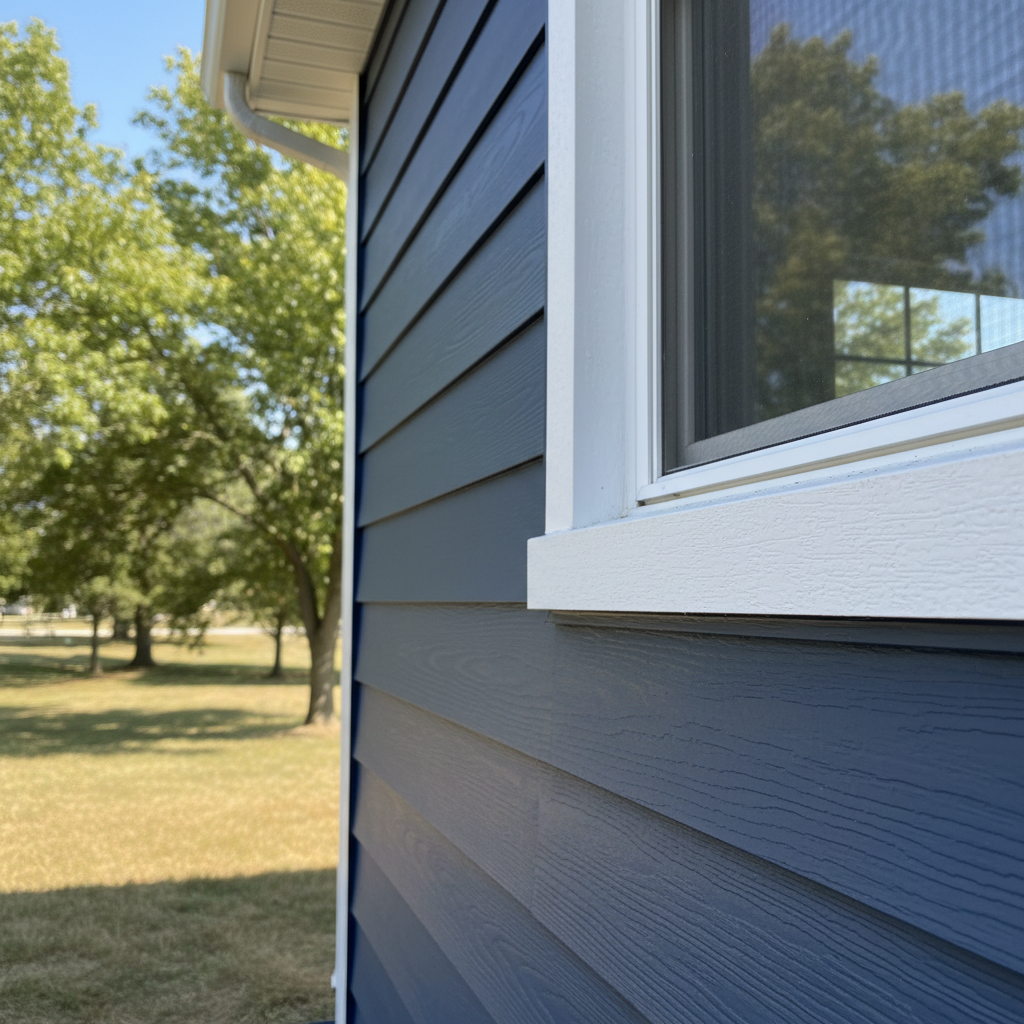
So, you're looking at your house and thinking it might be time for new siding. Maybe it's looking a little tired, or you've got some damage from one of our crazy Kansas storms. Whatever the reason, tackling a siding project can feel like a big deal. And it is! But it's also something you can approach smartly, whether you're a DIY enthusiast or someone who prefers to leave it to the experts.
Before You Start: Planning and Prep
First off, let's talk about what you need to figure out before you even think about swinging a hammer. This planning stage is crucial and it's where you, the homeowner, can do a lot of legwork that saves time and money later.
- Assess the Damage (or Dream): Walk around your house. What's the current siding situation? Are there just a few loose boards, or is it falling apart? Are you replacing it because of aesthetics, energy efficiency, or structural concerns? Knowing your 'why' helps you pick the right 'what.'
- Material Choices: This is a big one. Vinyl, fiber cement, wood, metal – they all have pros and cons. Vinyl is often the most budget-friendly and low-maintenance. Fiber cement (like James Hardie) is durable, fire-resistant, and looks great, but it's heavier and more expensive. Wood siding has a classic look but requires more upkeep. Think about what fits your budget, your desired look, and how much maintenance you're willing to do.
- Budget Realities: Get a realistic idea of what you can spend. Siding isn't cheap, but it's a major investment in your home's value and protection. Don't forget to factor in potential unexpected costs, like discovering rotten sheathing underneath.
- Permits: In Lawrence, you'll likely need a permit for major siding replacement. Don't skip this. The city's planning department can tell you exactly what's required. It's not just red tape; it ensures the work meets local building codes and standards.
- DIY vs. Pro: This is where you make a big decision. Can you realistically do this yourself? For small repairs, absolutely. Replacing a few pieces of vinyl or even a small section of wood siding is doable for a handy homeowner. But a full house re-siding? That's a different beast.
The DIY Side: What You Can Tackle
If you're comfortable with tools, heights, and a bit of a challenge, there are parts of a siding project you can definitely manage.
- Small Repairs: Got a cracked vinyl panel? A loose piece of trim? You can usually find replacement pieces and snap them in or nail them down. Watch some online videos, get the right tools (a siding removal tool for vinyl is a must), and take your time.
- Prep Work: Even if you hire us at Lawrence Siding Pros, you can save some money by doing some of the prep yourself. This might include removing old siding (if it's not lead paint), clearing shrubs away from the house, or even doing some of the exterior painting if you're going with a material that needs it. Just make sure you know what you're getting into and don't damage anything critical.
- Painting (if applicable): If you're installing new wood or fiber cement siding that comes primed, you might choose to do the finish painting yourself. Just make sure you're using quality exterior paint and applying it correctly for our humid Kansas summers and freezing winters.
When to Call the Pros (Like Us!)
For most full siding replacement projects, especially on a two-story home or with more complex materials, calling in a professional like Lawrence Siding Pros is usually the smartest move. Here's why:
- Safety: Working on ladders, especially around an entire house, is dangerous. Pros have the right safety gear, scaffolding, and experience to do it safely.
- Expertise with Materials: Different siding materials have specific installation requirements. Fiber cement, for example, needs special cutting tools and careful handling. If it's not installed correctly, you'll have issues with water intrusion, warranty voids, and a shorter lifespan.
- Speed and Efficiency: We do this every day. We've got the crew, the tools, and the system to get the job done much faster and more efficiently than a single homeowner.
- Warranty: Professional installation often comes with a warranty on both the materials and the workmanship. That's peace of mind you won't get doing it yourself.
- Hidden Problems: We often uncover rot, insect damage, or other structural issues once the old siding is off. We know how to identify these problems and fix them correctly before the new siding goes on. This is especially true for older homes in areas like Old West Lawrence, where original construction methods might hide issues.
- Proper Flashing and Water Management: This is critical. Getting the flashing around windows, doors, and corners right is what keeps water out of your walls. If this isn't done perfectly, you're setting yourself up for major problems down the road.
During the Project: What to Expect
If you hire a pro, you'll see a lot of activity. There will be noise, debris, and ladders everywhere. We'll protect your landscaping as much as possible. If you're doing it yourself, be prepared for your yard to be a construction zone for a while.
- Communication: If you've hired a contractor, stay in touch. Ask questions if you have them. A good contractor will keep you updated on progress.
- Weather: Kansas weather is unpredictable. Rain, high winds, or extreme cold can all put a halt to work. Be patient; we want to do the job right, and sometimes that means waiting for better conditions.
After the Project: Enjoying Your New Siding
Once the last nail is in and the cleanup is done, take a step back and admire your handiwork (or ours!).
- Inspect: Do a thorough walk-around. Look at the finished product. Are there any gaps? Loose pieces? If you hired a pro, point out anything you're not happy with so they can address it.
- Maintenance: Even low-maintenance siding needs a little love. Keep it clean with a gentle wash, check for any damage after big storms, and trim back bushes that rub against it.
- Warranty Info: If you used a contractor, make sure you get all the warranty information for both the materials and the installation. Keep it in a safe place.
Whether you go DIY for small fixes or bring in the pros for a full overhaul, understanding the process helps you make smart decisions for your Lawrence home. It's a big investment, so doing it right matters.