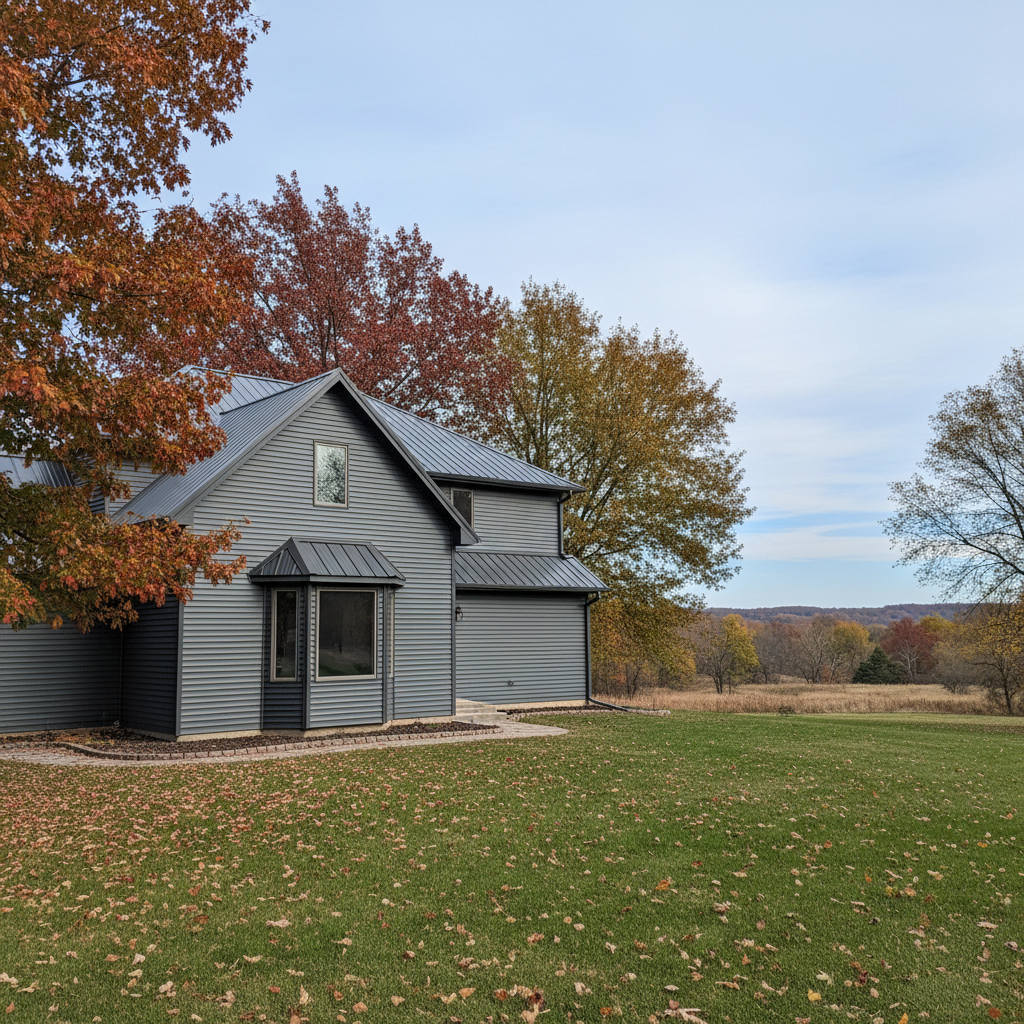
Metal siding is a tough, good-looking option for homes here in Lawrence, no doubt about it. We've seen more and more folks choosing it for its durability and modern look. But like any big home improvement, there's a smart way to think about it, especially with our Kansas weather. You can't just slap it on any old time and expect the best results or the longest lifespan, can you? So, let's talk about what that means for you.
When's the Best Time to Install Metal Siding?
Honestly, you'd think putting up metal siding would be pretty straightforward, weather-wise, compared to, say, painting or some types of roofing. And it is, to a point. But ideal conditions really make a difference in how efficient we can be and the overall quality of the job. Generally, I'd say spring and fall are your sweet spots around here.
- Spring (March-May): This is prime time. The ground isn't frozen solid, which helps a lot with staging materials and keeping our crew comfortable. You get milder temperatures, fewer extreme storms (usually!), and a good stretch of daylight. It's a busy season for us, so if you're thinking spring, you'll definitely want to get on our schedule early.
- Summer (June-August): We certainly work through the summer, but it comes with its own challenges. Those scorching 90-degree days with high humidity? They're brutal on a crew, and they can make handling metal panels tricky. Metal heats up fast, making it hot to the touch and sometimes expanding in ways that need careful management during installation. Plus, those pop-up thunderstorms can halt work pretty quickly. We'll get it done, but it might take a bit longer.
- Fall (September-November): Another fantastic window. Similar to spring, you get those comfortable temperatures, less humidity, and generally stable weather patterns. The days are still long enough to get a lot done. It's another popular time, so planning ahead is key.
- Winter (December-February): We *can* install metal siding in winter, but it's not ideal. Frozen ground means more effort for cleanup and staging. Cold hands move slower, and extreme cold can make some materials brittle. Plus, ice and snow create safety hazards. If you're in a rush, we can make it work, but if you have flexibility, I'd push for spring or fall.
What Weather Conditions Affect Metal Siding Work?
It's not just about the season; it's about the day-to-day conditions. Here's what we're always watching:
- Wind: This is a big one, especially with longer metal panels. Even a moderate gust can turn a large panel into a sail, making it dangerous for the crew and potentially damaging the material. We'll often pause or reschedule if the wind picks up too much.
- Rain/Snow: Obvious, right? Working on ladders or scaffolding with wet surfaces is a major safety risk. Plus, you don't want water getting behind the siding during installation, especially if we're dealing with the house wrap. We'll always cover up and protect your home if we have to stop due to precipitation.
- Extreme Temperatures: Like I mentioned, really hot metal is tough to handle. Really cold metal can be brittle and less forgiving when cutting or fastening. We adjust our techniques and take more breaks in these conditions.
- Humidity: High humidity, especially when it's hot, makes everything feel worse and can slow down the crew. It doesn't directly impact the metal as much as other factors, but it's part of the overall comfort and efficiency equation.
Protecting Your Metal Siding Investment Year-Round
Once your beautiful new metal siding is up, you'll want to keep it looking great. The good news is, metal siding is pretty low maintenance, but