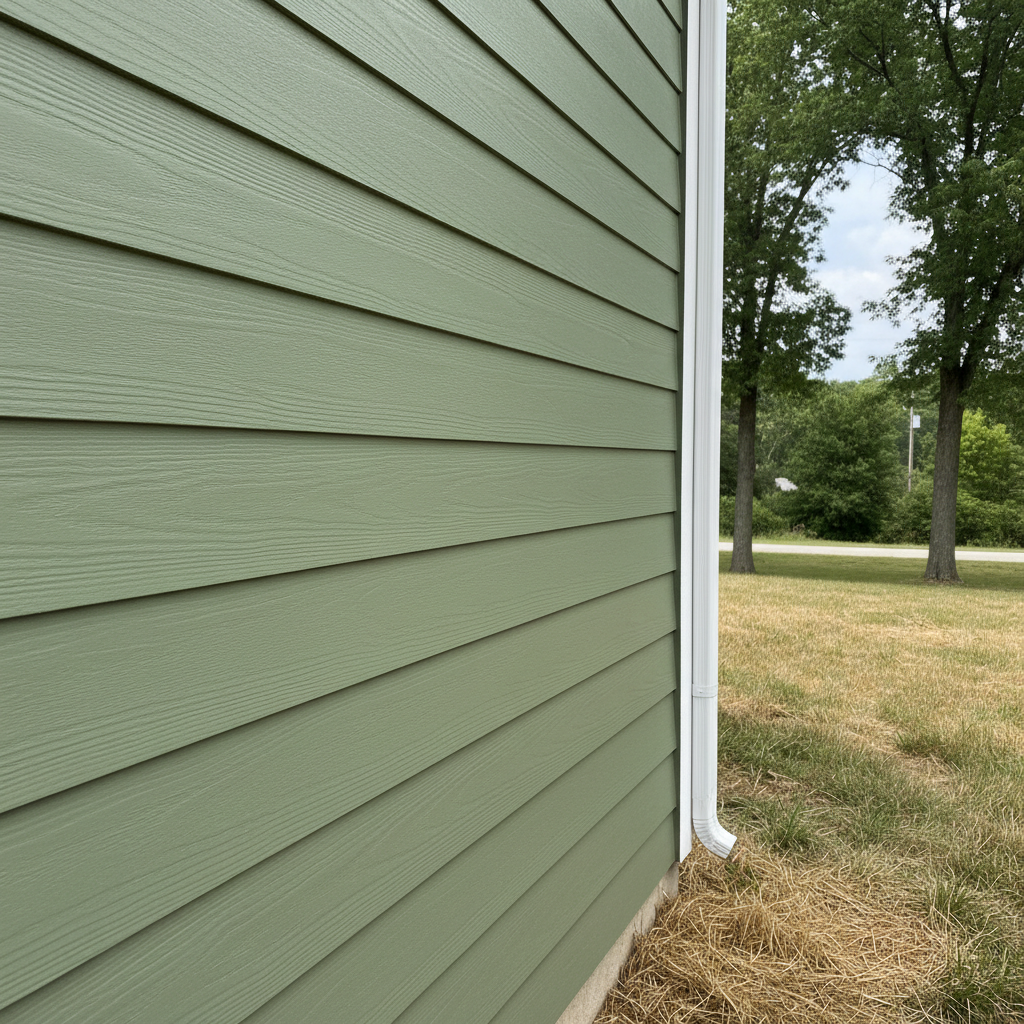
Thinking About Cement Siding? Here's What You Need to Know.
Cement siding, often called fiber cement, is a fantastic option for homes right here in Lawrence. It's tough, looks great, and can really stand up to our crazy Kansas weather – those scorching summers and icy winters are no match for it. But before you jump in, you've got to understand what you're getting into. This isn't a weekend warrior project for most folks, but there are definitely parts you can manage yourself to save a few bucks or just keep a closer eye on things.
Before the Project: Planning and Prep
First off, decide if cement siding is even right for your house. It's durable, fire-resistant, and doesn't rot or get eaten by bugs, which is a big plus. It also holds paint really well, so you won't be repainting every few years like with some other materials. The main downside? It's heavy and it's expensive upfront. You're looking at a bigger investment than vinyl, but it usually pays off in longevity and curb appeal.
DIY Prep You Can Handle
- Research Styles: Fiber cement comes in all sorts of styles – lap siding, shakes, vertical panels. Look at homes in areas like Old West Lawrence or Pinckney to see what looks good on older or newer construction. Get some ideas for what you like.
- Budgeting: Get a rough idea of material costs. You can call up local suppliers for pricing. Don't forget accessories like trim, caulk, and paint.
- Clear the Area: This is a big one. You can absolutely do this yourself. Move all your patio furniture, grills, planters, and anything else away from the house. Trim back bushes and trees that are too close. You'll need at least three feet of clear space all around the foundation for the crew to work safely and efficiently.
- Protect Your Landscaping: Lay down tarps over flower beds and shrubs. Siding removal and installation can be messy, and you don't want debris ruining your prize-winning peonies.
When to Call a Pro (Always for Installation)
Let's be real: installing fiber cement siding is not a DIY job for the average homeowner. It needs specialized tools – like a fiber cement sheer or a saw with a dust collection system – because cutting it creates a lot of silica dust, which is bad for your lungs. It's also heavy, brittle before it's installed, and needs careful handling. Plus, proper flashing and sealing are critical to prevent water getting in, especially with our heavy spring rains. You really want someone who knows what they're doing to make sure it's installed correctly and your warranty stays valid. A good contractor, like us at Lawrence Siding Pros, will handle all the permits and make sure everything's up to code.
During the Project: What to Expect and Monitor
Once the project starts, things will get a little noisy and dusty. Your yard will be a construction zone. Expect to see a dumpster for old siding and material scraps. Communication is key here.
What You Can Monitor
- Daily Cleanup: A good crew should be cleaning up debris at the end of each workday. You can politely point out any large pieces left behind.
- Material Handling: Watch how they're storing the new siding. It should be kept off the ground and protected from moisture.
- Progress: You can check in on the progress, but try not to hover. Ask your project manager for daily updates or a walkthrough.
What to Leave to the Pros
Don't try to